

India produces some of the world's most talented engineers. But most of them graduate without ever having programmed a robot that isn't simulated. They write code for virtual arms in environments where nothing ever breaks, nothing ever drifts, and no motor ever overshoots. Then they enter industry and the gap is jarring.
At Addverb, we believe the answer isn't more coursework - it's more contact with reality. Our vision for academic collaboration is built on five principles.
Real learning begins with real systems.
We invite students and institutions into our facilities to see robots operating at scale — not in isolation, but as integrated systems solving real logistics problems.
Through partnerships like NAMTECH, we've built advanced Robotics & Automation Labs where quadrupeds, cobots, AMRs, carton shuttles, vertical sortation systems, and robotic sorters operate together as a live industrial site, not a showcase.
Integration, troubleshooting, and optimisation as they happen in the real world — not as isolated lab exercises.
Engineers grow by working independently with robots in real environments. That confidence can't be simulated.
A lightweight vision-language-action framework for efficient robotic perception and control.
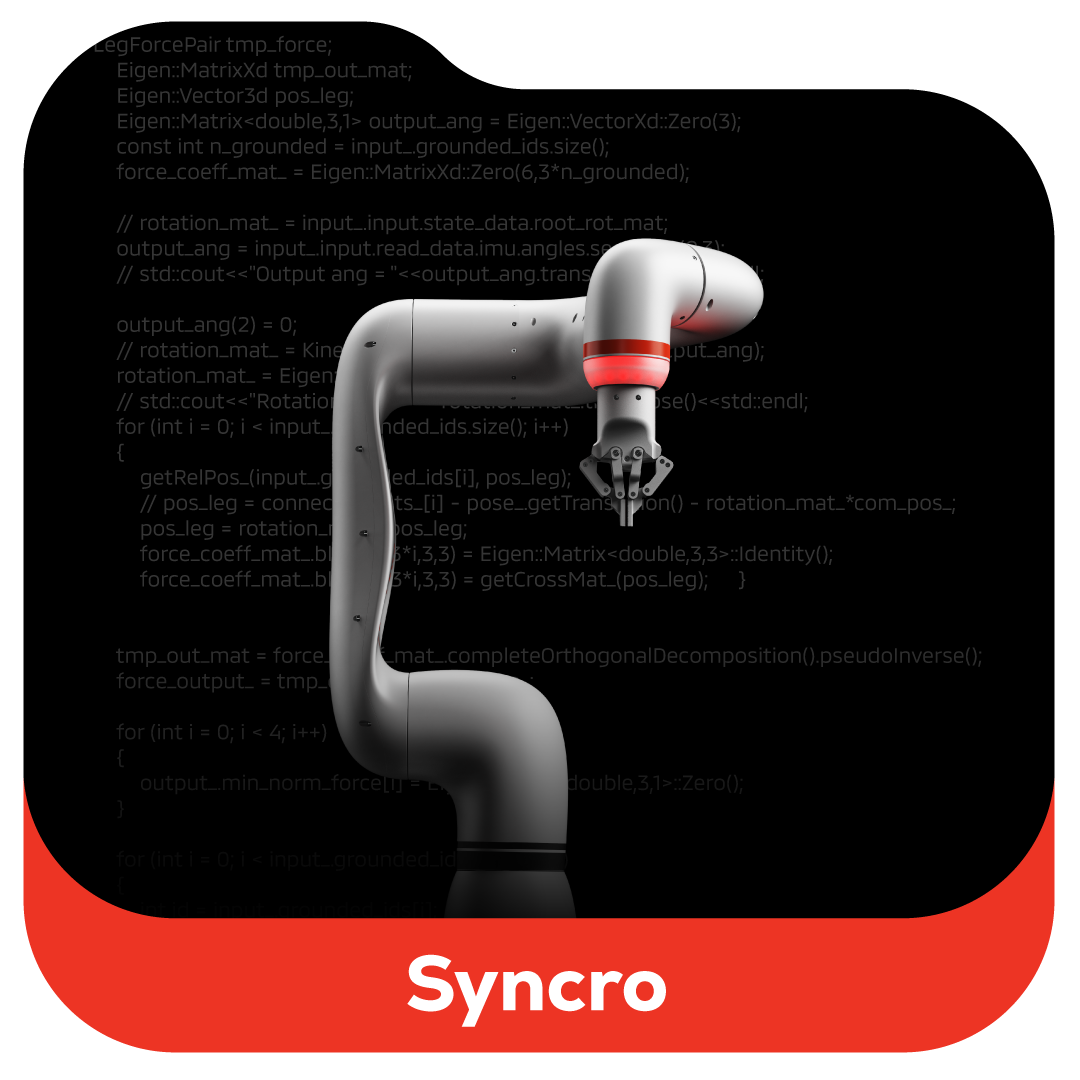
A cross-platform Python library for building, deploying, and managing intelligent robot applications.
Unified robotics development repository containing separate branches for Gazebo simulation, Isaac Sim integration, ROS 2 control, and real robot operation.
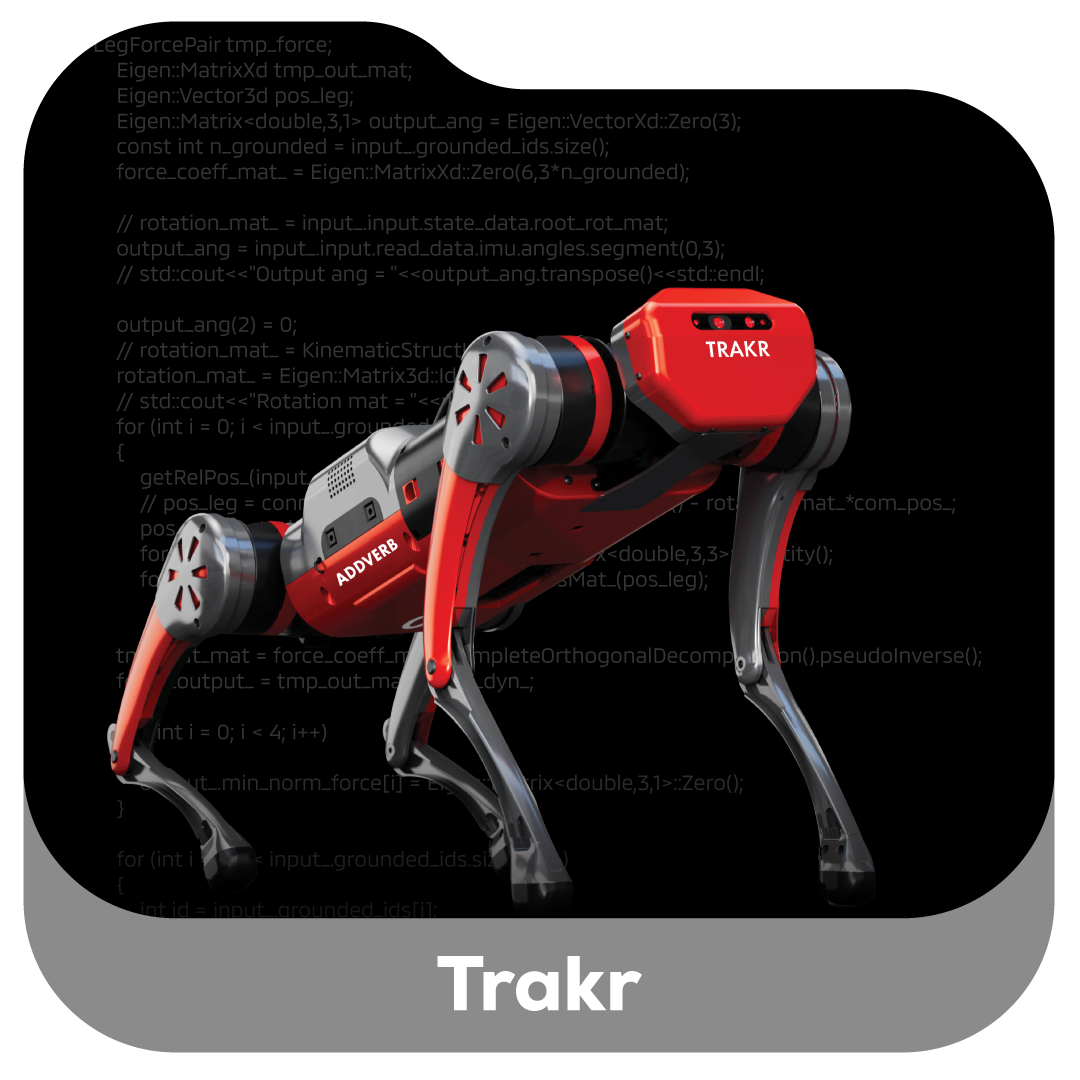
Trakr Legged Gym: A simulation and training environment for developing locomotion policies for legged robots.
Trakr SLAM: A mapping and localization module for real-time environment understanding in robotic navigation.
Gym to Mujoco: A bridge for transferring reinforcement learning environments from Gym to MuJoCo simulations.
Working on something exciting in robotics, autonomy, or Physical AI? Tell us about it. We'd love to learn from your work and explore ways to collaborate.
[email protected]